

COA Testing Explained
Understand what a Certificate of Analysis (COA) is, why it matters for research peptides, and how it supports consistency and transparency when sourcing in Australia.
A Certificate of Analysis (COA) is one of the most important quality documents associated with research peptides and laboratory materials. It provides detailed information about a specific batch, helping researchers assess identity, purity, and consistency.
At Omega Peptides Australia, COA verification plays a key role in supporting transparency and reliability when sourcing research peptides for laboratory use.
What Is a Certificate of Analysis?
A Certificate of Analysis (COA) is a laboratory-issued document that outlines the analytical characteristics of a specific batch of material. For research peptides, this may include purity levels, analytical methods, batch references, and testing results.
This documentation helps researchers assess whether a product aligns with its stated specifications and has undergone appropriate analytical testing.
Why COA Verification Matters
When sourcing research peptides in Australia, COA verification provides valuable information about product consistency and quality. This is particularly important in research environments where repeatability, accuracy, and controlled handling are essential.
COA documentation offers several benefits:
- Batch-to-batch consistency: Helps researchers compare analytical results across production batches.
- Compound identity: Provides supporting evidence that the tested material contains the intended compound.
- Purity assessment: Offers insight into the proportion of the target compound detected through analytical testing.
- Supply transparency: Makes relevant quality information available for review.
- Research quality control: Supports informed material selection before laboratory use.
Understanding Purity in Research Peptides
Purity refers to the proportion of the intended compound present within a tested sample. Many research peptides are supplied with high-purity specifications supported by analytical methods such as High-Performance Liquid Chromatography (HPLC).
HPLC is commonly used to separate components within a sample and estimate chromatographic purity. However, an HPLC purity percentage alone does not establish compound identity, sterility, or the absence of every possible contaminant.
Research compounds such as BPC-157, TB-500, and GHK-Cu may be accompanied by batch-specific analytical documentation.
When reviewing COA information, researchers should consider the testing method, reported results, batch reference, and whether the documentation matches the material supplied.
Common COA Testing Methods
COA reports may reference several analytical techniques used to evaluate compound properties.
- High-Performance Liquid Chromatography (HPLC): Commonly used to separate sample components and estimate purity.
- Mass spectrometry (MS): Helps support compound identity through molecular mass analysis.
- Batch referencing: Connects analytical results to a specific production batch for traceability.
Different testing methods assess different characteristics. A comprehensive quality review should consider which properties were actually tested rather than relying on a single purity figure.
Browse COA-Verified Research Peptides
Explore our range of research peptides with available quality documentation, secure packaging, and Australia-wide delivery options.
COA Verification and Batch Consistency
Consistency across batches is an important consideration in laboratory research. Variations in purity, composition, or manufacturing conditions can affect experimental repeatability.
COA documentation helps researchers review batch-specific characteristics and compare analytical information when sourcing materials for ongoing research.
For the most useful comparison, researchers should check that each COA corresponds to the relevant batch rather than assuming that results from one production run apply to every subsequent batch.
This transparency supports more informed purchasing decisions when sourcing research peptides in Australia.
Supporting Laboratory Materials
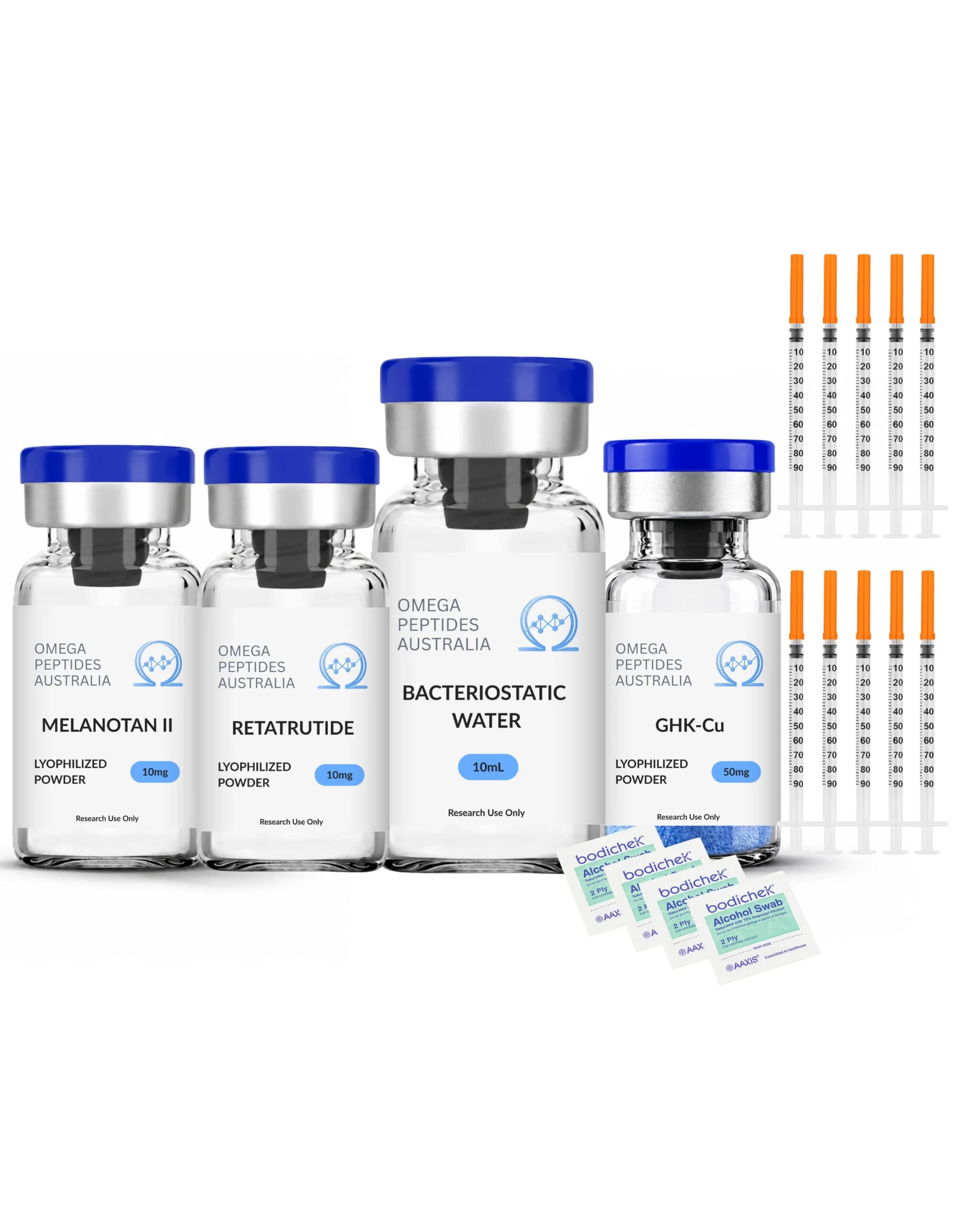
In many laboratory workflows, supporting materials such as bacteriostatic water may be used alongside compatible research materials.
The suitability of any diluent depends on the compound, experimental protocol, and laboratory requirements. Researchers should follow applicable laboratory procedures and product-specific handling documentation.
Related Research Products
Explore research compounds and supporting materials available through Omega Peptides Australia:
Sourcing Research Peptides in Australia
Omega Peptides Australia provides research peptides with COA-supported quality information, secure packaging, and domestic delivery options.
When comparing research peptide suppliers, laboratories should consider the availability of batch-specific documentation, analytical testing methods, product traceability, and appropriate handling information.
Browse our research peptides collection or explore the full product range.
Frequently Asked Questions
What does COA verified mean?
COA verified generally means that a product has supporting analytical documentation reporting certain quality characteristics, such as identity or purity. The exact scope of verification depends on the tests performed and the information included in the report.
Why is a COA important for research peptides?
A COA provides batch-specific analytical information that supports quality assessment, transparency, and consistency when sourcing materials for laboratory research.
Do all research peptides have identical COAs?
No. COA documentation may vary depending on the compound, production batch, analytical laboratory, and testing methods used.
Does a high purity percentage guarantee product quality?
No. A high reported purity percentage is one quality indicator, but it does not independently confirm identity, sterility, endotoxin levels, or every other characteristic relevant to a particular research application.
What should researchers check on a Certificate of Analysis?
Researchers should review the compound name, batch or lot number, analytical methods, reported purity or identity results, testing date, and laboratory information where available.
Final Thoughts
A Certificate of Analysis is an important tool for evaluating research peptide quality and supporting transparent sourcing practices.
Understanding how to interpret COA information helps researchers make informed decisions, compare batches, and assess whether materials meet their experimental requirements.
At Omega Peptides Australia, we recognise the importance of accessible quality documentation and responsible research material sourcing.
Important Notice: This content is provided for informational purposes only. All research peptide products discussed are intended strictly for laboratory research use and are not intended for human consumption or clinical administration.